The Problem with Perps
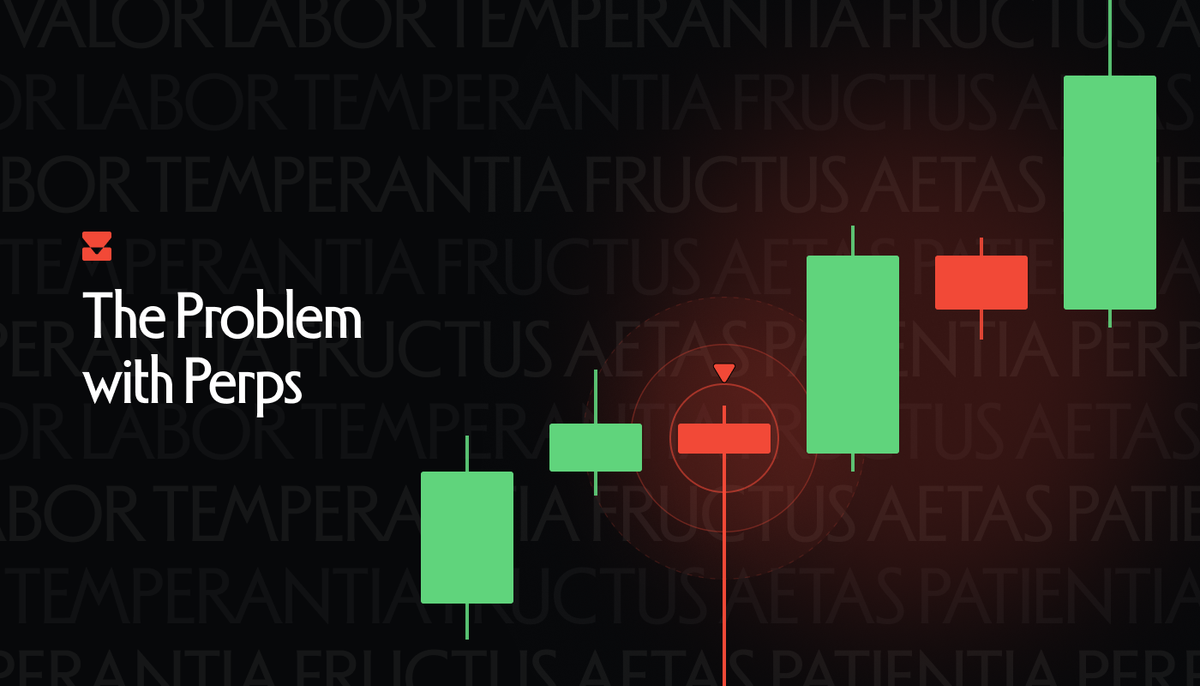
Imagine this: you opened a 100× long on a vanilla BTC perp, the kind every major exchange lists, and called the move correctly. BTC went exactly where you said it would. But you walk away with a loss.
How does that happen? Traders call this a scamwick: a sharp spike that tears through a price level and snaps right back.
Liquidation and stop loss data is a poorly kept secret, and in some cases is available publicly onchain. A cascade through levels of concentrated liquidations and stops can pay well for whoever’s on the other side. That’s a reason to hunt your otherwise good trades.
This problem exists in every vanilla perps product, and is a fact of life for traders. But now there’s a solution.
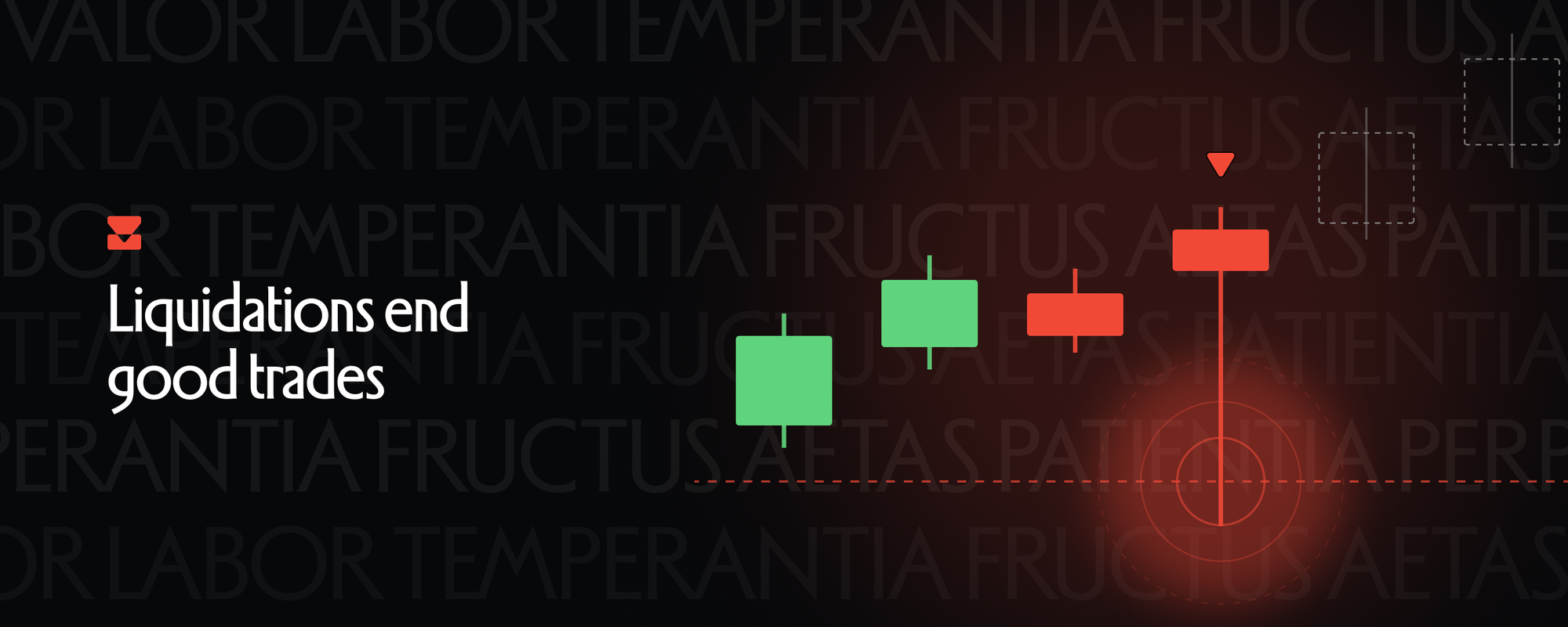
Liquidations end good trades
On a vanilla perp, leverage shortens the distance to your liquidation price. At 100× with isolated margin, a 1% move against you eats roughly your whole margin, and liquidation usually kicks in before that.
It doesn’t matter if the move reverses a minute later. The position is closed, the margin is gone, and when BTC heads where you called it, you’re sidelined. Being right about the direction isn’t enough. You also have to survive.
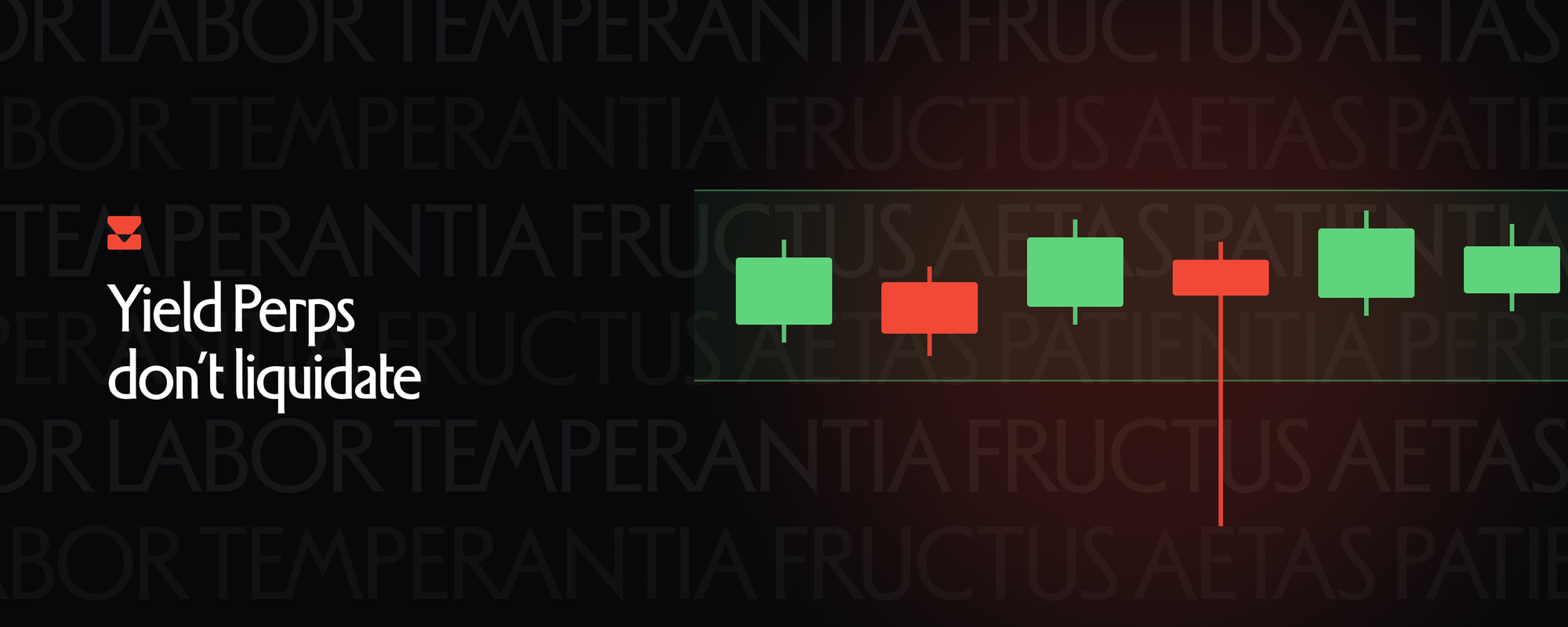
Yield Perps don’t liquidate
Yield Perps work differently. A vanilla perp pays out on how far price moves. A Yield Perp pays out over time. It’s a perpetual accrual instrument, which means it earns for every second its condition holds, at a rate that rises the more strongly the condition holds, up to a maximum payout.
Range earns while BTC stays inside a band. Long earns while BTC stays above a line that rises over time, and Short while it stays below a line that falls. You pay funding for every second the position is open, and it keeps running until you close it or its margin runs out. There’s no liquidation price.
When the price moves against you, the position doesn’t close, but stops earning while funding keeps running. In a 100× Range Yield Perps trade, one testnet quote was about $2.84 a minute in funding on a $500 commitment, so thirty seconds outside the band costs about $1.42, not your whole margin. If BTC comes back into your range while there’s margin left, earnings resume.
Funding still adds up, and not all trades will be successful, but a single move will never cost your entire trade.
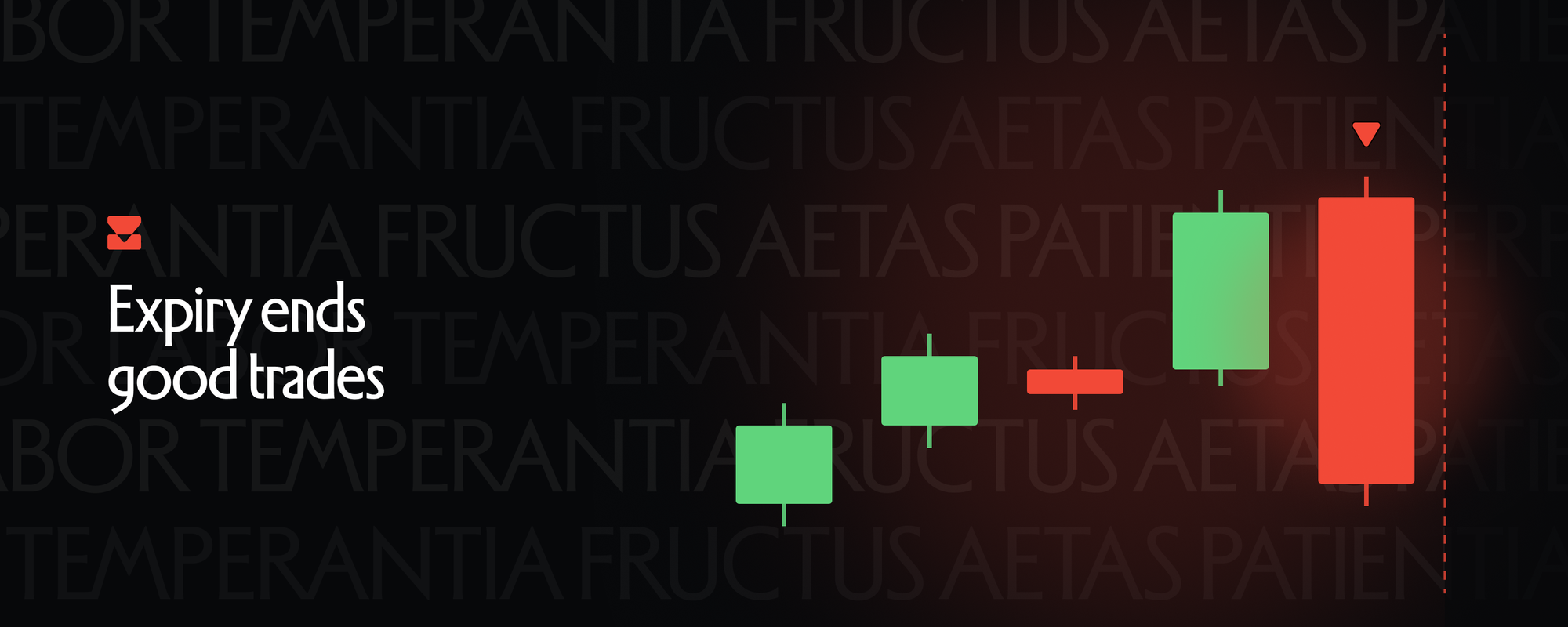
Expiry ends good trades
You may ask, “Don’t options avoid liquidations?” If you’ve traded options, you know the appeal: you can hold through a dip without being liquidated. But options come with another risk of quick, temporary moves in price: a sudden move at expiry.
An option pays based on the price at expiry, not on the path it took to get there. You can hold an in-the-money option for a week and watch a last-minute move render your option useless. And if your thesis keeps playing out, you have to roll into a new contract to stay in the trade, paying fees and the spread every time.

Yield Perps don’t expire
Yield Perps are perpetual. There’s no expiry date to beat and nothing to roll. A position earns for as long as your view holds, and you can close at any time and keep the margin that’s left. You only pay for the seconds you held it.
Leverage goes up to 5,000×, but on a Yield Perp it doesn’t set how close you are to liquidation. It sets how long each funding epoch lasts and how tight the condition is. Low leverage suits a slow trend over days. High leverage suits a sharp move over minutes.
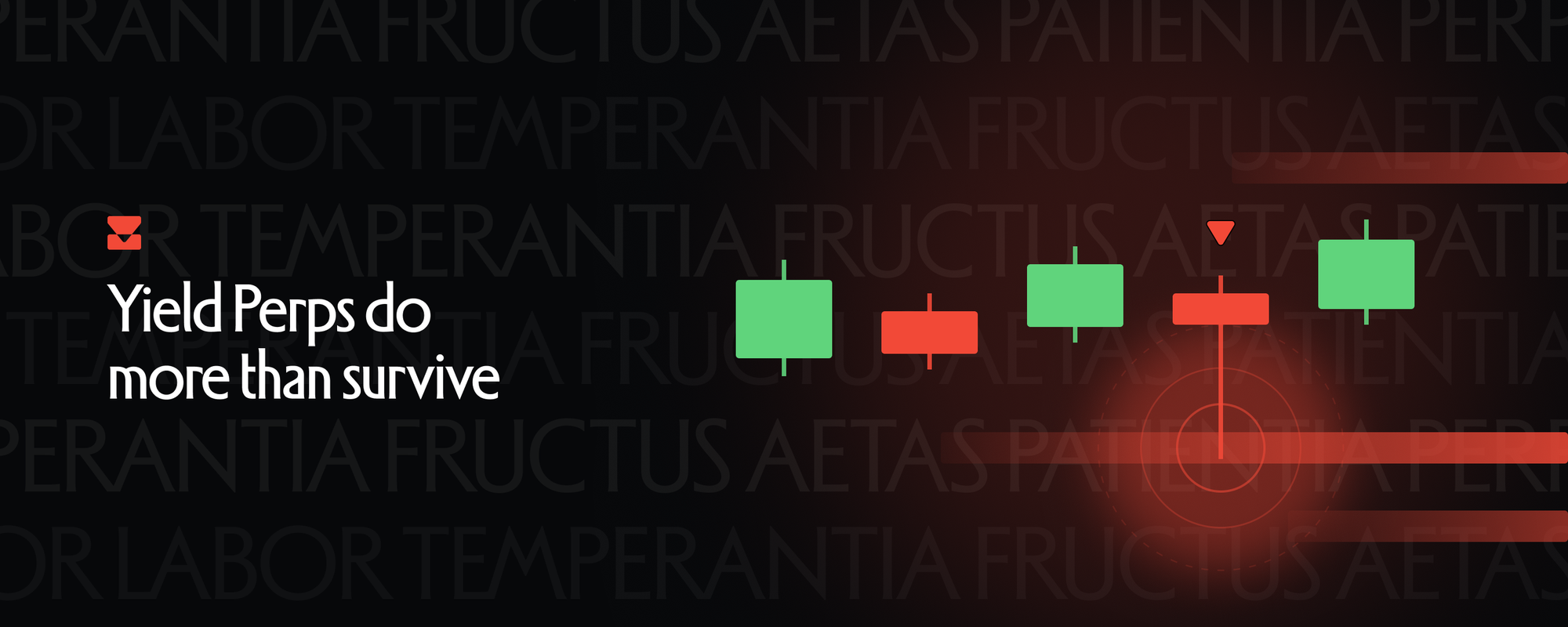
Yield Perps do more than survive
Taking away the liquidation price changes more than whether you survive a dip.
- Nothing to hunt. There’s no liquidation level for a wick or a liquidation cascade to target. A spike against you pauses your earnings for a moment instead of closing the trade.
- Your profits stay protected. A move against you doesn’t wipe out your gains in one candle. Funding keeps running at a fixed rate for each epoch, however far price moves, so your gains shrink gradually and you have time to close before they’re gone.
- Hedges stay on. A short perp hedging spot BTC can be liquidated in a squeeze, right when you need it most. A Yield Perp hedge can’t be liquidated, so it’s still there when the market turns.
Vanilla perps and options are great tools for your trading toolchest, but Cardinal saw an open space for a new kind of derivative. Drawing from the tried and true demand for high yield, including defi yield farms and tradfi accrual instruments, we set out to solve practical trading problems. Yield Perps are the result: no liquidations, no expiry, and a payout for every second you’re right.
Make your move
Join us as we build the next generation of financial products.
- Start trading with Cardinal on Arbitrum Sepolia today.
- Join the Discord for support, feedback, and updates.
- Follow Cardinal on Twitter for news and announcements.